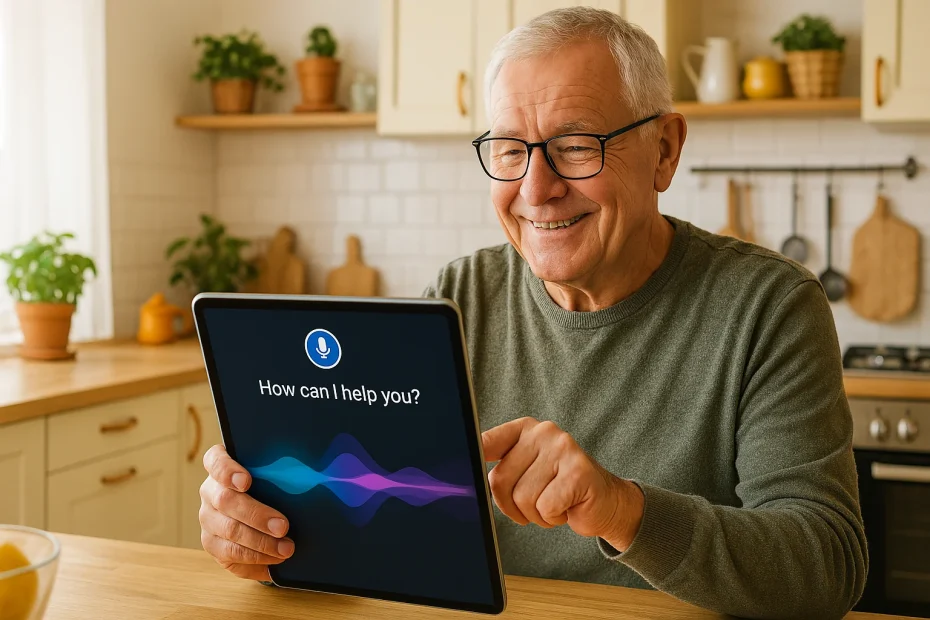
Getting Comfortable with AI—One Step at a Time
AI for older adults might sound like something from a sci-fi movie, but the truth is: artificial intelligence is becoming part of everyday life, and it’s a lot more approachable than you might think. Whether you’re curious about how voice assistants work, wondering what powers your smartphone’s suggestions, or just want to stay connected with your grandkids—AI can help. And you don’t need to be a tech expert to understand it.
At Learn Simply AI, we’re here to make technology less scary and more useful. Let’s take this journey together, one simple step at a time.
What Is AI, Really?
Let’s start with the basics.
AI (Artificial Intelligence) simply means machines or software that can “think” and learn from experience. It’s like teaching a computer to recognize patterns and make decisions—kind of like how we learn from our daily lives.
You’ve probably already used AI without realizing it:
Asking Alexa or Siri a question
Getting movie suggestions on Netflix
Using maps that give live traffic updates
If it feels like the device is “smart,” it probably uses AI.
Why AI Can Be Helpful for Older Adults
AI isn’t just for young people or computer scientists. It can actually make life easier, safer, and more enjoyable—especially as we get older.
Here are just a few ways AI can help:
Staying Connected
AI tools like smart speakers or translation apps can help you talk to loved ones or understand different languages with ease.Health & Safety
Some apps can remind you to take medication, track your steps, or alert emergency contacts if something goes wrong.Daily Convenience
AI can help with setting reminders, ordering groceries online, or even turning lights on with your voice.
Tip: Try a smart speaker like Amazon Echo or Google Nest. These can answer questions, play music, or set timers—just by asking out loud.
How to Get Started with AI—No Tech Skills Needed
You don’t need to sign up for a class or buy expensive gadgets. Getting started is simpler than you think.
Here’s how you can dip your toes in:
Start with what you already use
If you have a smartphone, try using the voice assistant (Siri or Google Assistant). Ask it the weather or to call someone for you.Explore beginner-friendly AI tools
We’ve rounded up some of the easiest tools in our guide here: Best free AI Tools 2025Ask for help from someone you trust
A child, grandchild, or friend can help you set up a device or try a new app. It’s a great bonding activity too!
The key is to go at your own pace. One new feature at a time.
Common Questions and Concerns
Don’t worry—mistakes are part of learning. Most AI tools are designed to be user-friendly and won’t break if you press the wrong button.
“Is my privacy safe?”
Good question. While AI does use data, most reputable apps let you choose what to share. Stick to trusted brands and read reviews when in doubt.
“Am I too old to learn this?”
Absolutely not. In fact, learning something new can boost your memory, confidence, and mood. You’re never too old to get curious.
You’ve Got This
AI might sound like a big, complicated topic—but it doesn’t have to be. AI for older adults is about making everyday life a little smoother, a little safer, and a lot more connected. You already have the curiosity. Now you’ve got the tools too.
Want to keep exploring? Check out our post on [/ai-tools-for-beginners] to find simple tools you can try today.
And remember: you’re smarter than you think—and learning never stops.