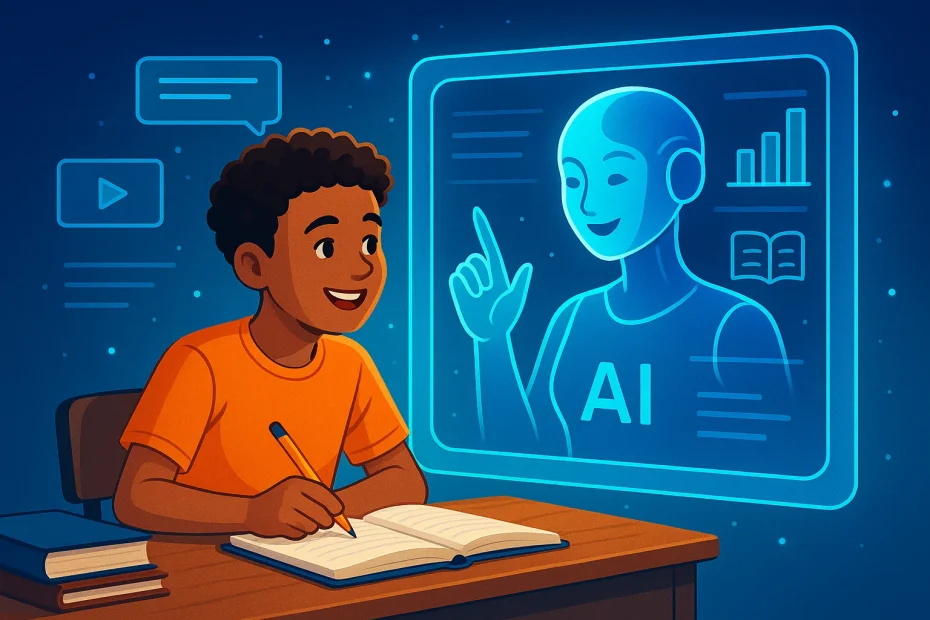
Artificial intelligence in education might sound high-tech and complicated, but at its heart, it’s about something very human: learning in a way that actually works for *you*. With the US starting to bring AI into classrooms and many other countries following, it’s worth exploring what this shift means—and how it can make learning easier, not harder.
AI Can Personalize Learning Like Never Before
One of the biggest ways AI is changing education is through personalization. Think of it like having a tutor who never gets tired, knows your strengths and weaknesses, and adjusts to your pace.
Learning in Your Style
Some people learn best by reading. Others need to hear something or see a visual. AI tools can figure out how you process information best and shape lessons accordingly. It’s like turning your education into a custom-fit suit—tailored just for your brain.
The TikTok Brain Benefit
We joke about having "TikTok brains," but AI actually makes short, snappy explanations useful. Instead of slogging through a dense textbook chapter, you might get a 60-second breakdown that clicks instantly. Then, if you’re curious, you can dive deeper.
Teachers Still Matter—AI Just Gives Them Superpowers
AI isn’t replacing teachers. It’s more like giving them a digital assistant that handles repetitive tasks and provides insights into how students are doing.
More Time for What Matters
Grading papers, tracking performance, and managing schedules takes up a lot of time. AI can take care of much of that so teachers can focus on helping students grow.
Early Warnings and Extra Support
Some systems can flag when a student is struggling, even if they haven’t spoken up. That gives teachers a chance to step in early with help, making the classroom a safer, more supportive space.
Students Are Using AI (The Smart Way)
Yes, some students try to take shortcuts with AI. But many are using it the right way—to brainstorm ideas, organize thoughts, or get feedback.
If you’re a student or have one in your life, here’s a great guide on how to use AI without cheating.
Learning Is Becoming More Accessible
For people with learning differences, language barriers, or just a busy schedule, AI tools can be a game changer.
- Text-to-speech and speech-to-text tools help people with dyslexia or vision issues
- Real-time translation opens doors for non-native speakers
- Flexible pacing lets you learn on your own schedule
Organizations like AI for Education are exploring ways to make these tools available to more people worldwide.
The Bottom Line: AI Can Make Learning Feel Less Like a Chore
Imagine opening a textbook and it *talks* to you. Or watching a confusing math problem turn into a simple animation that finally makes it click. That’s the kind of change AI is bringing to education.
You don’t need to become a tech expert to benefit. Just being open to trying one new AI-powered learning tool could make all the difference.
What’s something you’ve always wanted to learn but felt intimidated by? This could be the moment to try again—with a little AI help on your side.