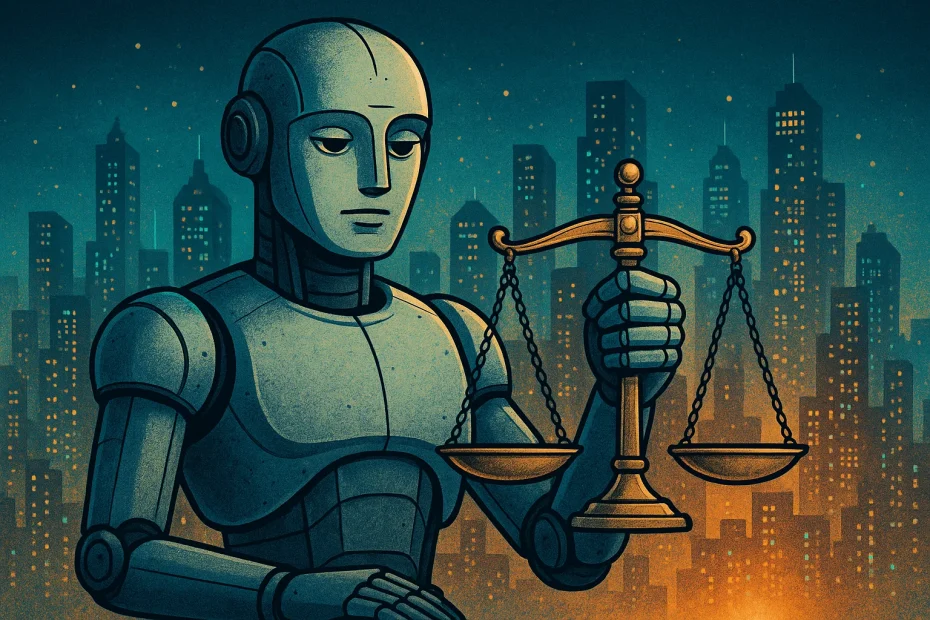
AI ethics might sound complicated or even unnecessary at first. But understanding AI ethics is simpler than you might think and deeply important for everyone. As AI tools become part of our daily lives, knowing how to guide them responsibly helps us all feel safer and more in control.
Why Does AI Need Ethics?
Think of AI as a really fast worker that doesn’t have feelings or a moral compass. It does what we ask, but it doesn’t “know” right from wrong. That’s why people need to build ethical rules and safety checks.
Without them, AI could spread misinformation, make unfair decisions, or misuse personal data. That’s why experts say AI ethics is crucial for the next decade.
Key Questions in AI Ethics
Who Decides What’s Fair?
One big question is: Who gets to decide what’s fair or unfair? Different cultures have different ideas about fairness. So, creating AI that works well for everyone is not a one-size-fits-all problem.
Can AI Be Transparent?
Another important piece is transparency. Many people want to know how an AI makes its decisions. Clear explanations build trust and help people spot mistakes before they cause harm.
Everyday Examples of AI Ethics
Ethics comes up in everyday places you might not expect. For instance:
- Online ads deciding what products to show you
- Healthcare AI suggesting treatments
- Automatic hiring tools sorting job applications
All these systems can shape our choices and opportunities, so it’s important they are designed and tested responsibly.
Learning More and Staying Aware
Many people assume AI is flawless, but that’s far from true. Take a moment to read AI Myths Debunked to clear up common misunderstandings.
If you want a deeper dive into ethical issues, check out What is AI ethics? for more insights from industry experts.
Conclusion: Ethics Make AI Better for Everyone
AI ethics might sound big and abstract, but it’s really about making sure these tools help more than they harm. That’s something we can all care about.
Maybe today, look at one AI tool you use and ask yourself: Does it feel fair and trustworthy? That simple question keeps ethics part of the conversation.