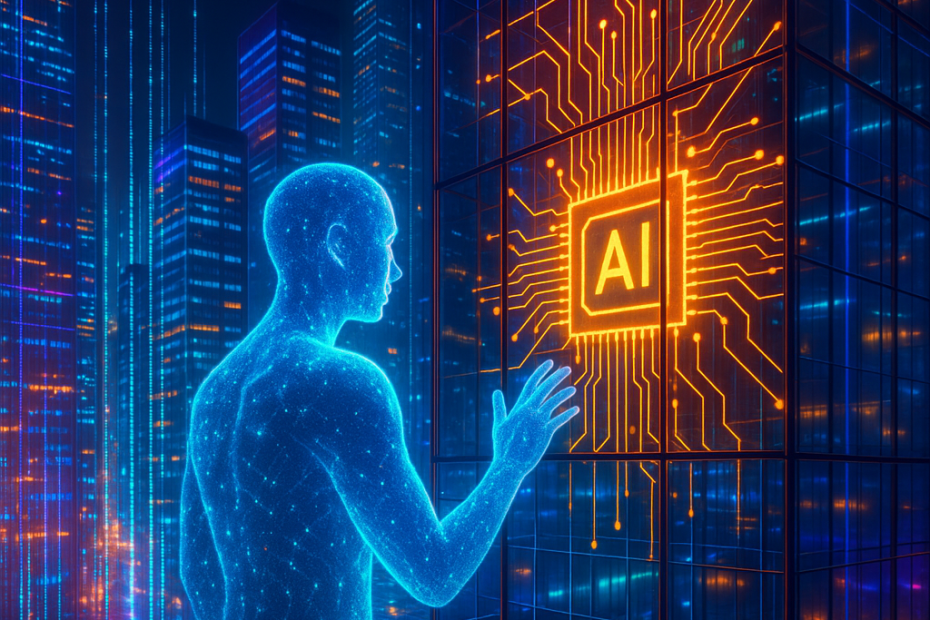
Something about the current AI boom feels… hidden in plain sight. The question isn’t just about innovation anymore—it’s about access. Are powerful AI models kept secret from the public? Let’s talk about what’s real, what’s rumored, and why this matters more than we think.
ANSWER: Yes, many of the most advanced AI models are intentionally kept from the public—either because they’re too powerful, risky, or still being tested behind closed doors.
Why Aren’t All AI Tools Available to Everyone?
From OpenAI to Google DeepMind, companies are choosing their moments. When they say “we’re not ready to release this model,” it usually means one of these:
- They’re still working out safety concerns
- There are business reasons to keep it private
- The tech might be misused if shared too early
In short, not everything you see in a flashy demo ends up in a public-facing chatbot. Sometimes it’s about trust, sometimes it’s about timing—and yeah, sometimes it’s about control.
How Are Big AI Models Kept from Public Use?
Even if a company builds a cutting-edge tool, it can hold it back in clever ways. For example:
- They only give access to a limited group of researchers
- They slow-roll features into existing products (like Gmail)
- They quietly test models behind the scenes, never releasing them
This isn’t just speculation. As this in-depth piece by WIRED on the secretive rise of next-gen AI agents shows, many breakthroughs are happening quietly—with limited public trace.
Can Ordinary People Access Advanced AI Models?
Sort of. Models like ChatGPT and Gemini are public-facing, but they’re often tuned-down cousins of what’s running inside companies.
Speculation around GPT‑5 and Gemini 3.0 suggests they may already exist in more powerful forms—just not available through your browser.
If you’ve ever felt like the public version didn’t match the hype, your instincts may be spot on.
Are There Hidden AI Programs Not Shared Openly?
Plenty of signs point that way. Top engineers quietly leaving companies. Projects vanishing from research roadmaps with no follow-up. And vague promises that feel more like teases than plans.
It all suggests there’s more going on behind the curtain than we see.
Think of it like a magician’s toolbox. You see the final trick, but never the blueprints. Except, in this case, the magic has real-world power that affects speech, decisions—and money.
Want more context on this? Here’s What Meta’s New AI Team Means for You.
Frequently Asked Questions
Q: Why are AI companies keeping secrets?
A: Most say it’s to prevent misuse and avoid releasing systems that aren’t fully tested. But competition and profit are big motivators too.
Q: Will we ever have access to the most powerful models?
A: Maybe, but likely in limited or filtered ways. Companies often release “safe” versions for general use while keeping full capabilities internal.
Q: Can smaller researchers build their own powerful AIs?
A: Technically, yes—but without the resources of big tech, training models at that scale is nearly impossible today.
Q: What’s the risk of releasing super-powerful AI?
A: The fears include misinformation spread, code writing for malicious use, or systems that behave unpredictably outside of human control.
We’re getting glimpses of tools that can shift economies, rewrite jobs, even help cure disease. So why do they feel like they’re just out of reach?
Stay curious—and maybe a little skeptical. Today’s AI demos may just be the tip of a much deeper iceberg. Next time you read tech news, ask: what are they leaving out?
Action step: Keep asking questions. When a new AI tool drops, look beyond the launch page. What features are missing? What details feel fuzzy? That’s often where the real story is.