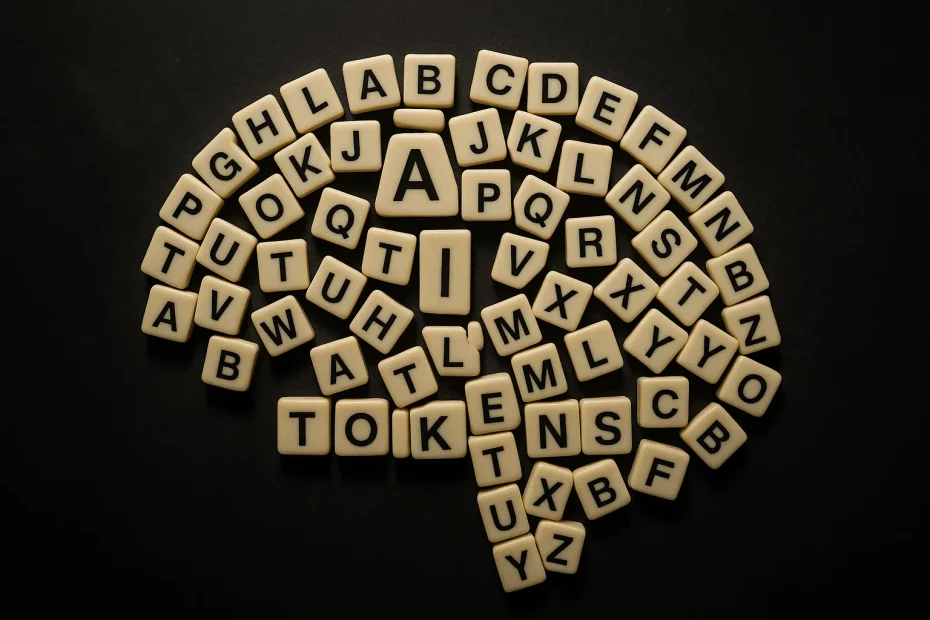
It’s a little mind-blowing to think about, but yes—AI can understand language. Well, sort of. When we say “understand,” we mean that AI can interpret and respond to our words in ways that feel surprisingly human. And while that sounds complex, the building blocks behind it are much simpler than you might expect.
So let’s break it down together. This isn’t about memorizing tech terms. It’s about giving you a sense of how it all works so you feel a little more confident next time you see AI in action.
The Secret Language of AI: Tokens
One of the first things AI uses to process language is something called a token. You can think of a token as a tiny chunk of a word. It could be a whole word, part of a word, or even just punctuation.
For example:
- "Hello" might be a single token
- "Unbelievable" might get split into several tokens like "Un", "believ", and "able"
This is how AI measures how much it’s reading or generating—and it’s also how services like ChatGPT calculate usage. When you hear about API limits being based on tokens, this is what they’re referring to.
From Tokens to Meaning
Context is Everything
Once an AI model breaks your message into tokens, it looks at the surrounding tokens to figure out what you might mean. It’s a bit like reading between the lines. The more context it has, the better it can guess what you’re trying to say—or what it should say next.
Patterns, Not Understanding
It’s important to know that AI doesn’t understand words like we do. Instead, it’s learned from massive amounts of text to recognize patterns. So when you ask it a question, it uses those patterns to predict a useful and relevant response.
Learning Through Training
AI models like ChatGPT are trained by reading billions of words. Not in real time, but during a special training process. Imagine teaching a child by reading every book in the library—but faster and with more math involved.
During this training, the AI learns which words commonly follow others, what phrases tend to go together, and how to mimic natural conversation. This is what allows it to respond in a way that feels fluid, even though it isn’t actually “thinking.”
Why This Matters for Everyday Life
Understanding how AI processes language helps demystify the tools we’re starting to rely on more and more. Whether you’re using a voice assistant, an AI chatbot, or exploring AI in Health And Medicine, it all begins with this core idea: tokens in, patterns out.
It also makes you a more informed user. You’ll start noticing how different tools handle language and can better assess which ones are reliable or helpful for your needs.
To dive a little deeper into the mechanics, here’s a great read on How computers understand human language.
One Step at a Time
If all of this is new to you, you’re doing great just by reading this far. There’s no pressure to become an expert. The goal is just to get comfortable with the basics so these tools feel a little less like magic—and a little more like something you can use confidently.
Here’s something to consider: next time you use a chatbot or AI tool, try asking it a question about a topic you enjoy. You might be surprised by how naturally it responds—and now you know what’s going on under the hood.