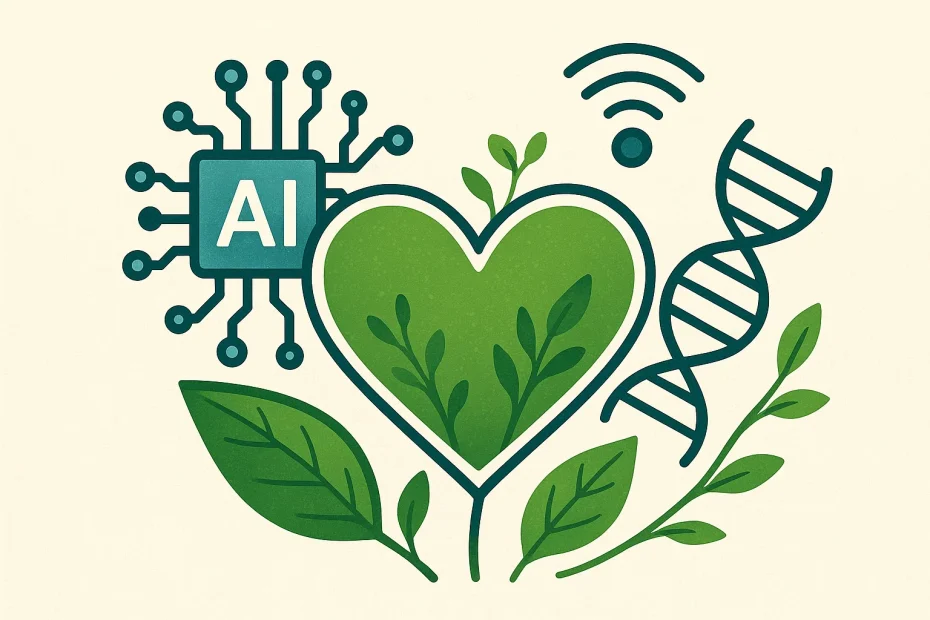
AI, sensors, and biotech might sound like pieces from a sci-fi movie. But together, they’re forming something real — something that could shape your future health. This idea of living intelligence is about more than smart devices. It’s about AI helping our bodies last longer, heal better, and possibly even age more slowly.
AI, sensors, and biotech are combining to create smarter health tools — and could help extend healthy human life in ways we’re just beginning to understand.
What is "living intelligence" exactly?
It’s the fusion of artificial intelligence, biotechnology, and real-time body sensors. AI makes sense of the constant stream of data from your body — like heart rate, sleep cycles, and stress levels — and uses that information to improve care and extend wellness.
Imagine a world where your watch knows when you’re about to get sick. Or your home assistant adjusts your lighting based on your mood. That’s not far off — and some of it is already here.
What is Longevity Escape Velocity (LEV)?
LEV is a bold but fascinating idea. It means reaching a point where medical advances happen faster than we age. For every year you live, science adds more than a year to your life. Some experts believe we could reach this point by 2030.
That doesn’t mean living forever. But it could mean living longer, healthier lives than we ever thought possible. And AI could be a big part of making that happen — from predicting disease to designing personalized treatments [Source].
What kinds of breakthroughs are coming?
Here are just a few ideas being explored right now:
- Digital twins: A virtual model of your body to test treatments before trying them on you
- AI drug discovery: Finding new medicines in days instead of years
- Sensors and wearables: Devices that monitor your health 24/7 without effort
- Personalized health plans: AI-guided routines built around your unique biology
Many of these innovations are still in early stages, but the direction is clear — AI isn’t just helping us think better. It’s starting to help us live better too.
If you’d like to explore current tools that are already changing care, check out our guide on AI in Health and Medicine.
Will these tools be accessible to everyday people?
That’s the big question — and a fair one. Some of this may start as high-end technology, but over time, it usually becomes more affordable and widespread.
Just like smartphones or GPS used to be rare, many of these health tools may become part of daily life within a decade. Some already are.
To see what researchers and doctors are expecting, here’s an overview of 4 ways AI will change medicine.
Frequently Asked Questions
What exactly is biotechnology?
It’s using biology and technology together — like using cells, sensors, or machines to improve health or healing.
Is longevity escape velocity really possible?
It’s still debated, but some experts believe we’re getting close. The key is keeping yourself healthy enough to reach those breakthroughs.
Will older adults benefit from this tech?
Yes — in fact, much of it is designed with aging in mind, to help us stay healthy and independent longer.
Your Quick-Start Checklist
- Try a wearable that tracks sleep, heart rate, or movement
- Use AI to analyze basic health info or track wellness trends
- Read about LEV and decide what you think about it
- Talk to your doctor about how tech might support your care
- Stay open-minded — and curious about the road ahead
Conclusion
The next decade will likely bring medical tools and ideas we can’t fully imagine yet. But we don’t have to understand everything to benefit. The key is being open, staying informed, and using what helps — even if it still feels a bit like science fiction.
So stay healthy. Stay curious. And maybe — just maybe — stick around long enough to be surprised.